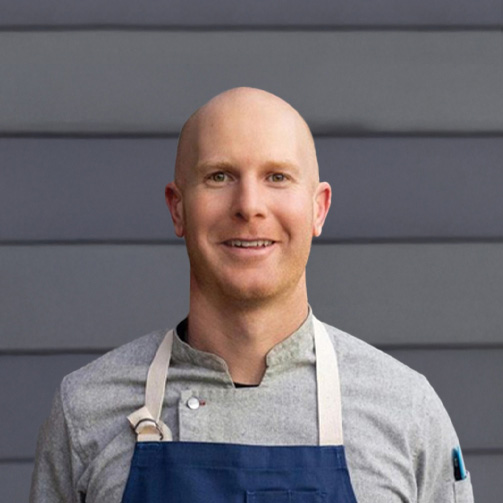
Matt Foley
Matt Foley, Culinary Director for the East Coast, blends Michelin-starred expertise with a passion for complex flavors, seasonal ingredients and the culinary art of moderation.
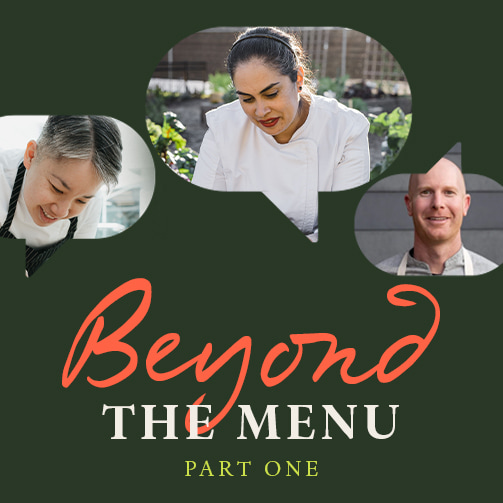 Every day, The Good Eating Company culinary directors create chef-driven corporate dining experiences that bring joy, creativity and connection to the workday.
In this two-part Q&A, three of our culinary leaders — Chef Melody Miranda, Chef Amy Lee and Chef Matt Foley — share how they approach mentorship, creativity and collaboration to make every TGEC café feel both personal and high-end. From seasonal inspiration to regional flair, their perspectives remind us that great food isn’t just about what’s on the plate — but how it makes people feel.
Melody: Our office cafés are chef-driven — it’s the chef’s kitchen, their café. It’s really about giving chefs ownership while making sure we’re staying true to our philosophy: sourcing well, calling out farms, respecting ingredients. It’s about setting a foundation and letting chefs make it their own.
No idea ever comes from one person — it’s a shared effort.”
Amy: For me, creative direction should feel shared. I want everyone to have a stake in what they do and to feel that their voice helps shape the café. When I’m leading a new opening, I make sure all the systems and organization are set up well before day one. I also spend time getting to know the team — their strengths, what makes them passionate and what ideas they want to bring forward.
Matt: We’re involved in pretty much every part of it — from the sales proposition to writing menus and doing tastings. Once we win the business, we’re working on opening and catering menus, hiring the chef and selecting vendor partners. It really comes full circle, from the initial pitch to helping a chef take ownership and run the café themselves.
Melody: It’s all about sourcing and restraint — respecting ingredients, keeping food seasonal and teaching constantly. We talk about things like, “If it’s the dead of winter, maybe skip the tomato on the salad bar — or roast it with olive oil and salt to bring out sweetness.”
Amy: Sometimes, less really is more. I remind chefs that dishes don’t have to be complicated to be interesting. Focus on balance — sweet, salty, bitter, acid — and think about texture, color and playfulness. Once those fundamentals are in place, that’s when a chef’s personality really starts to come through.
Matt: That phrase really speaks to me because some of the best cuisines — Italian, French, or otherwise — share that same mindset. It’s about starting with great ingredients and letting them shine. Here on the East Coast, we have incredible produce, especially from the Hudson Valley, and that local seasonality is key. When you start with something great, you don’t have to mask it — you just highlight what makes it special.
Melody: Creativity, curiosity and fun. I want the teams to enjoy what they’re doing, to play with the seasons and to teach one another. That sense of learning and exploration builds stronger teams — and ultimately, better food.
I love watching our own chefs experiment and teach one another. It’s contagious.”
Amy: I love seeing a new café go from its opening phase to thriving on its own. At first, everything feels like chaos — new systems, new people, new challenges. But when the team starts to find their rhythm, they begin to think outside the box. They build on what we started and create new systems of their own to make things better and more efficient. When I come back later and see how much they’ve grown — that’s the best feeling. It really does take a village, but once everything clicks, it’s amazing to watch.
Matt: I always start by understanding what inspires them — how they think about flavor, texture, acid and spice. From there, we can build a shared language and bring their creativity into the GEC framework. The best part about food is that no one knows everything. Encouraging curiosity, conversation and inspiration is how great ideas happen. It’s about helping chefs channel what excites them while aligning with our standards and sourcing philosophy.
Amy: We host quarterly Chef All Calls, where everyone gets to share updates, new ideas and successes. It’s a space where chefs can ask questions, collaborate and connect — kind of like our “State of the Union” for TGEC.
Melody: We also have a Teams channel called The Awesomeness Repository, where chefs post what they’re proud of — pop-ups, new recipes great team lineups. It’s a space to brag, share and get inspired.
Matt: Collaboration starts with respect and curiosity. We meet often — virtually and in person — to share ideas, talk about sourcing or even just enjoy a meal together. We lean into each other’s strengths. For example, Chef Tony makes some of the best pizza in New York, and Chef Isaac brings deep knowledge of global and Indian cuisine. Sharing that kind of expertise across the team keeps us growing and inspired. We also have chef competitions and fun initiatives that encourage participation and recognition. There’s always room to do more, but we’re intentional about celebrating creativity and success at every level.
Melody: Our job is to make sure we’re upholding who we say we are. We promise certain things — sourcing regeneratively, cooking from scratch, respecting ingredients — and we work behind the scenes to make sure that’s really happening. We’re here to support the chefs, give them access to what they need and help them stay true to our brand.
Amy: The culinary director role helps keep us aligned — making sure we live out our ethos and pillars in every café. Melody leads on the philosophy side, and I focus on implementing it across operations. It’s all about collaboration. When chefs bring ideas forward, we take the best parts from every conversation and find ways to scale them across the company. No idea ever comes from one person — it’s a shared effort.
Matt: Culinary directors help keep everyone aligned on our goals and philosophy while supporting creativity and talent development. We’re mentors, sounding boards and champions for our teams. It’s about guiding consistency without stifling individuality — helping chefs express their creativity while staying true to who we are as a brand.
Great food powers engagement and productivity. When workday food is chef-led, seasonal, and curated with care, it elevates the workplace — and the work. Read Part 2 of the interview to discover how The Good Eating Company adapts its offerings across regions and industries.
Ready to bring chef-curated experiences to your office café?
Let’s talk.
Matt Foley
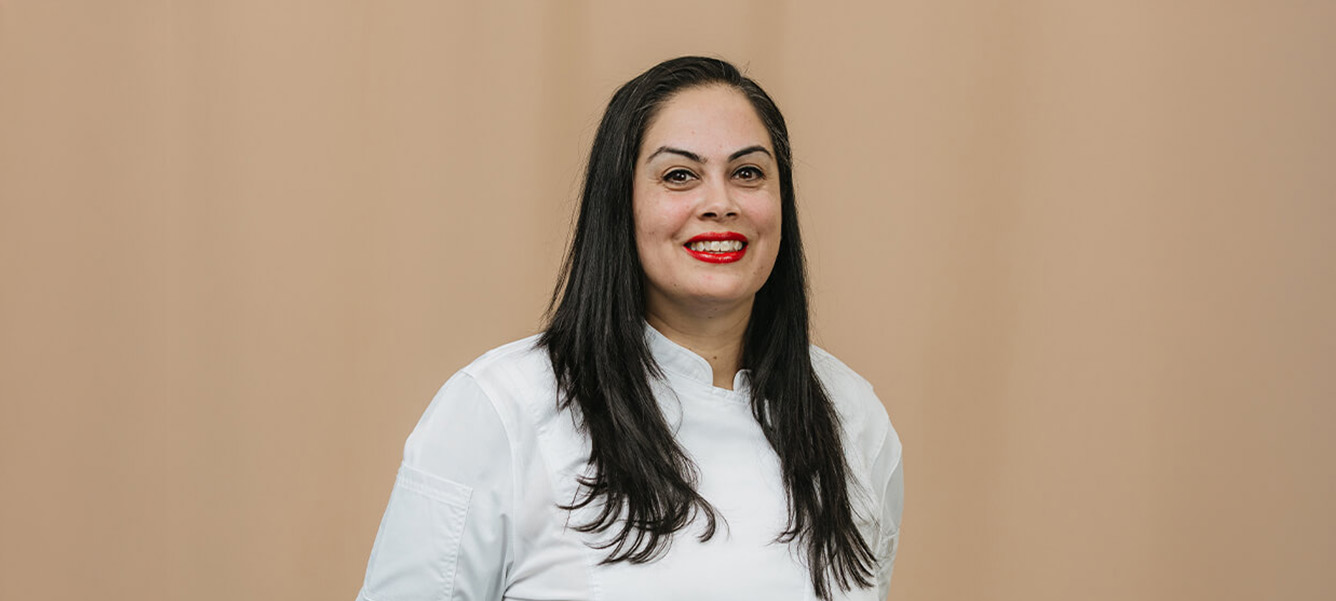
Melody Miranda
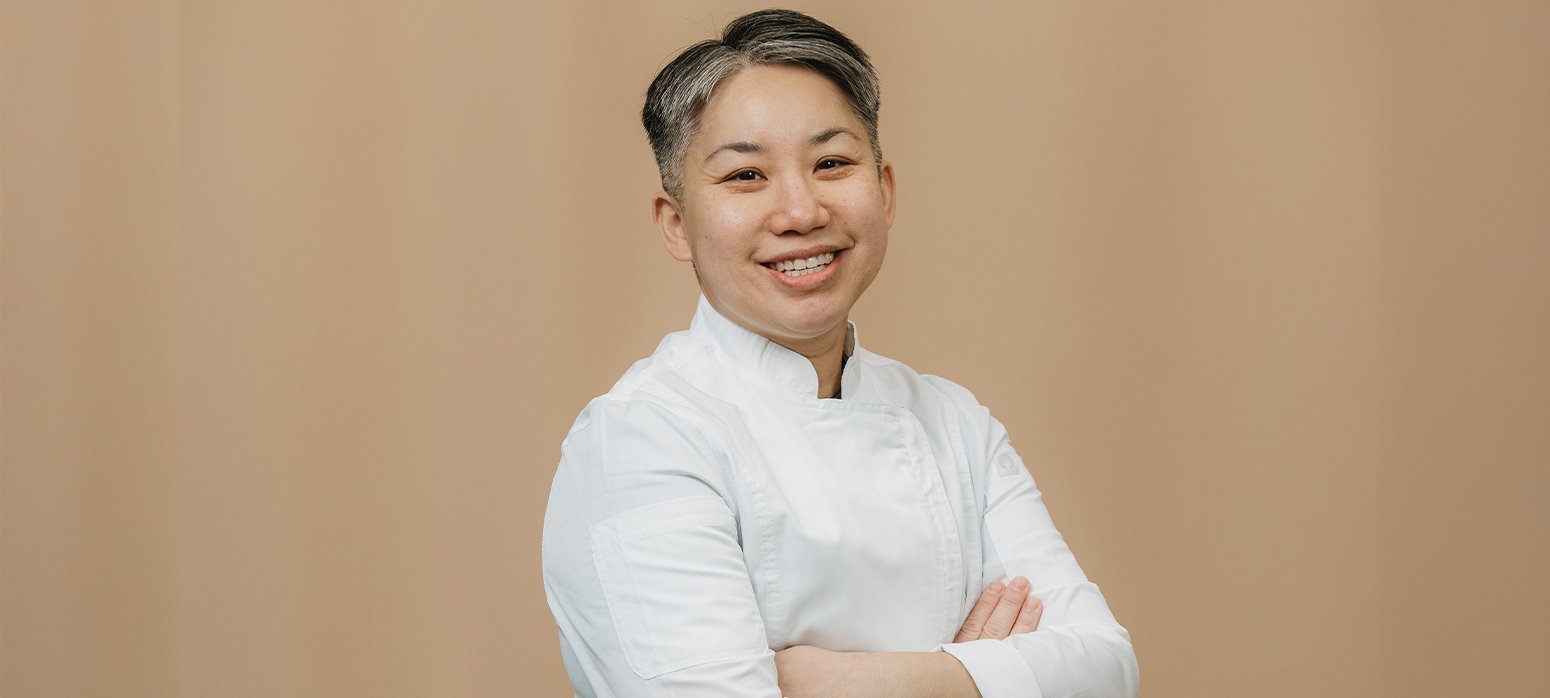
Amy Lee