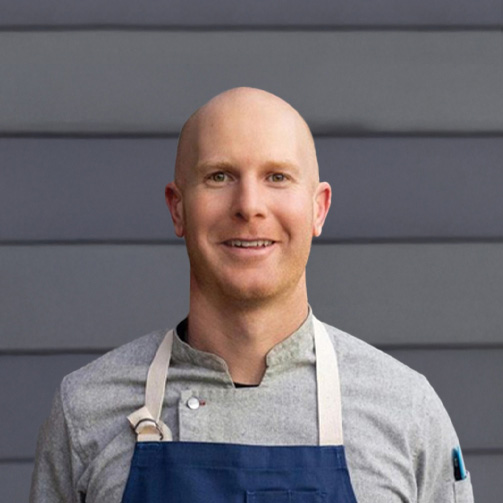
Matt Foley
Matt Foley, Culinary Director for the East Coast, blends Michelin-starred expertise with a passion for complex flavors, seasonal ingredients and the culinary art of moderation.
 Workplace dining is at its best when it considers the people it serves — and at TGEC, that begins with our culinary directors.
In Part 1, we explored how TGEC’s culinary directors uphold consistency, quality and brand standards across the country. Now, in Part 2, we shift the focus to personalization — how The Good Eating Company adapts menus, hospitality and office café operations to reflect the unique rhythms of different regions, industries and workplace cultures.
In this Q&A, three of our culinary leaders — Chef Melody Miranda, Chef Amy Lee and Chef Matt Foley — share how they help chefs nationwide create cafés that feel distinctly local, deeply personal, and unmistakably TGEC. Their perspectives offer a behind-the-scenes look at how thoughtful culinary direction elevates corporate dining from a service into a meaningful experience.
Melody: I oversee culinary across the U.S., so the variety is huge. Regional differences are real — in California, people don’t really eat sandwiches the way they do in the Midwest or East Coast. Out there, they love their delis. Even pizzas change from coast to coast. If you served a California pizza in New York, there’d be a riot! But that’s what makes it fun — learning those local traditions, like the Juicy Lucy burger in Minnesota. I went to the original spot to try it myself — and yes, it was delicious (and yes, it’ll burn your mouth if you rush it).
Amy: We always start with research to make sure we’re capturing what makes each community special. Open, collaborative communication with clients is key — understanding their needs, wants and expectations. For smaller cafés, we focus on local identity and community. For large corporate accounts, we focus more on consistency, scalability and brand alignment. It really depends on the project, but the goal is always the same: make it feel personal and relevant.
Matt: In big cities like New York, guests can step outside and find incredible food anywhere — so we need to keep things fresh and exciting in our cafés. We play with different cuisines, partner with local vendors, and bring in regional favorites like our New York pizza program. It’s about variety, local flavor and keeping guests engaged.
Melody, Amy, Matt: Definitely.
Melody: Different job types eat differently — an engineer, a CEO, an office admin — they all have different food habits. And regionally, too, some places are more health-driven, others lean comfort. Our chefs have to understand those nuances and adjust their menus accordingly. It’s part of what keeps things interesting.
Amy: In large corporate settings, food is often seen as a perk — part of what the company offers to employees. Guests love variety and multiple stations. In smaller workplaces, it’s the opposite. There’s more camaraderie, more connection and people are excited to try new things or see something fresh pop up on the menu.
Matt: Company culture plays a huge role. Some workplaces prioritize social dining, with teams eating together, while others — like law firms — need quick options that fit into their schedule. That affects how we build menus and design service. Our chef-driven model lets us listen to each client and adapt quickly.
We’re not working off a fixed five-week cycle — our chefs have real creative freedom to respond to what guests want.”
Melody: Traveling, learning local traditions, seeing what other chefs are doing — that always sparks ideas. And of course, I love watching our own chefs experiment and teach one another. It’s contagious. I don’t think I could pick just one favorite, but I love the little local spots — the places where you can tell the chef’s having fun and putting care into every detail.
Amy: Outside of work, I’m constantly inspired by restaurants, cookbooks, and food culture in general. I’m always reading menus or exploring new places. There’s always a better or faster way to do something, and I love discovering that. One restaurant in particular that’s always stuck with me is Eleven Madison Park in New York. It was one of the first fine dining experiences I had that felt fun and interactive. The chefs came out to explain dishes and even performed a little magic trick at the end of the meal. It showed me that fine dining can be playful and personal — and that’s always stayed with me.
A lot of my inspiration comes right from our cafés. I might see a chef or cook doing something differently — a smarter process, a faster prep method, a creative plating idea. I love learning from those moments and sharing them across our teams.”
Matt: What I love most is learning from other chefs. Every project is different, but the foundation is the same: technique, texture, and flavor. I really enjoy collaborating with other culinary directors and site chefs — everyone brings something unique, and together we make each other better. It’s rewarding to see that exchange of ideas and strengths across the team.
Melody: Food trends absolutely shape culture — especially now with social media. Platforms like Instagram and TikTok have huge influence. We actually did a fun engagement called “TikTok Made Me Do It” where we recreated trending dishes in cafés. It brought so much energy and curiosity to the teams and guests.
Amy: Food shapes culture by driving innovation and cultural exchange. When different cuisines meet, they evolve — and that exchange sparks curiosity. I see that curiosity in our guests all the time. They’re more open to trying new things, and that’s how culture keeps growing and changing.
Matt: Food absolutely shapes culture — and vice versa. We strive to cook authentic recipes that represent the diverse backgrounds of our team. When a chef or line cook brings in a family recipe or a dish from their heritage, it adds meaning to the menu and pride to the kitchen. That’s what makes TGEC special — we celebrate those personal connections through food every day, not just during special months or events.
Matt: The Good Eating Company is always evolving and leading with innovation — driven by talented chefs who make simple, delicious food every day.
For us, it’s all about creating chef-driven cafes where the food reflects the people it serves while honoring our culinary commitments — to source thoughtfully, respect ingredients, and learn.”
Melody: The balance of creativity, care and consistency is what makes The Good Eating Company unmistakably itself.
Amy: What sets The Good Eating Company apart is how collaborative we are. We all share an openness to learn, share and grow together. Every idea, every system, every menu comes from shared creativity, elevating every dish, every flavor, every experience.
Across regions, industries and guest expectations, one truth holds steady: at The Good Eating Company, dining is never just a meal. It is a crafted experience — shaped by culinary talent, grounded in quality and designed to reflect the people and places we serve. When corporate dining becomes an experience — one that’s personal, thoughtful and rooted in care — it transforms the workday.
Ready to bring chef-curated experiences to your café?
Let’s talk.
Matt Foley
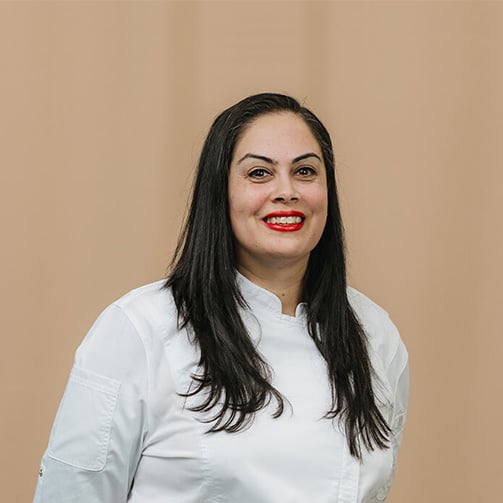
Melody Miranda
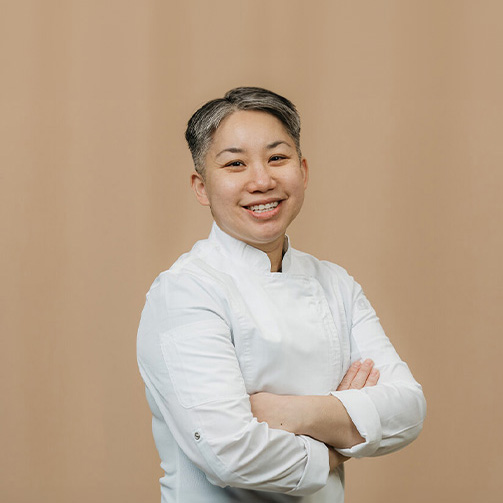
Amy Lee